
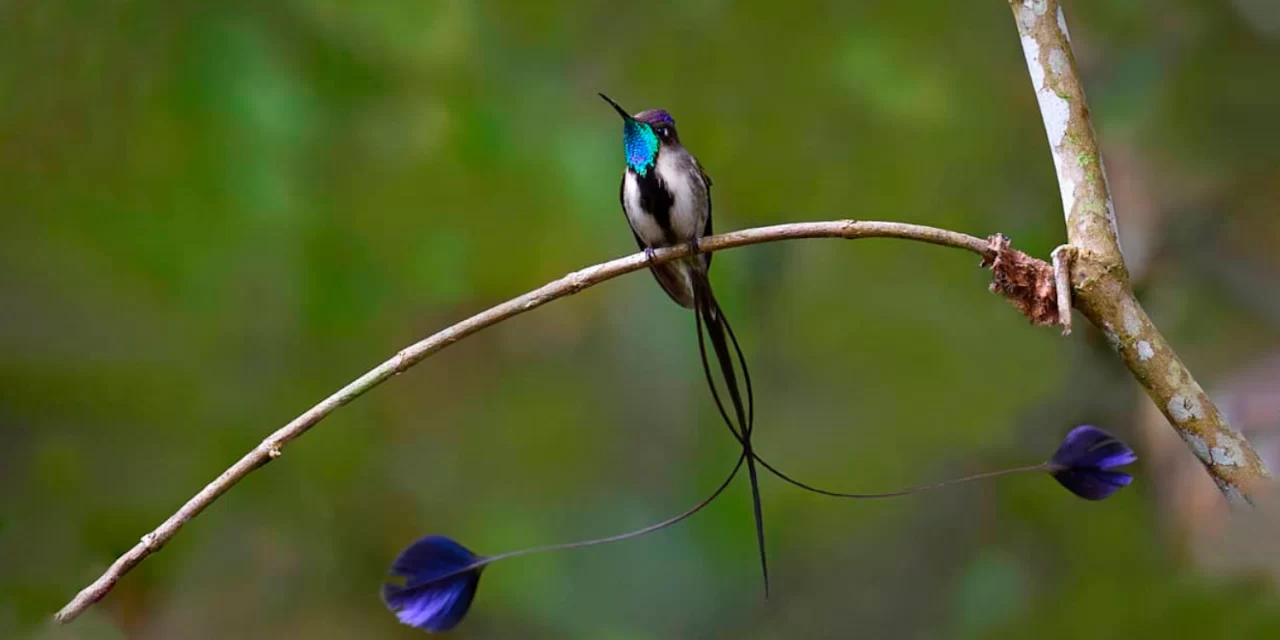
Northern Peru Birding Tour 16 Days: Marvelous Spatuletail
A 16-day birding tour of northern Peru from Lima to Cajamarca, a shorter alternative to a three-week trip, covering Tumbesian dry forest, the Marañón Valley and the Abra Patricia cloud forest, with Marvelous Spatuletail, Long-whiskered Owlet and many Peruvian endemics among the targets.
About this Expedition
Pristine Biodiversity
Immersion in primary forest trails and macaw or tapir clay licks with privileged viewing.
Native Guides
Bilingual guides from the native communities of Manu and Tambopata, with spotting scopes and binoculars.
Logistics and Lodges
Private transport and boats, a cook on the trip and nights in rainforest lodges.
Day-by-Day Itinerary
Day 1: Arrival in Lima
Our driver meets you at the Lima airport and takes you to your hotel in the Miraflores district. Night in Lima.
Day 2: Lima – Chiclayo – Bosque de Pómac – Salas
An early flight takes us to Chiclayo, and from there we drive to Bosque de Pómac, an area of carob woodland and deciduous dry forest. We look for Peruvian Plantcutter and many Tumbesian birds, including Rufous Flycatcher, Baird’s Flycatcher, Scarlet-backed Woodpecker, White-tailed Jay, Cinereous Finch, Coastal Miner, Short-tailed Field-Tyrant, Peruvian Pygmy-Owl and Tumbes Swallow. Along the way we stop for shorebirds and, with luck, Comb Duck and Masked Duck.
We then drive toward Olmos and spend the night at a rustic but quiet and comfortable lodge near the small village of Salas, where we try for West Peruvian Screech-Owl.
Day 3: Quebrada Frejolillo – Quebrada Limón
We spend the morning in the Frejolillo forest, where the main target is White-winged Guan. Other Tumbesian species here include White-headed Brushfinch, Henna-hooded Foliage-gleaner, Pacific Elaenia, Gray-and-white Tyrannulet, Ecuadorian Piculet, Elegant Crescentchest and Black-capped Sparrow. After birding above the village we work slowly back along the entrance road for Short-tailed Field-Tyrant, Tumbes Sparrow, Peruvian Thick-knee, Tumbes Hummingbird, Tumbes Tyrant and Short-tailed Woodstar, with a possible stop for Spotted Rail along the main road. Night in Olmos.
Day 4: Abra Porculla – Jaén
We leave the coast early for Abra Porculla, one of the lowest passes in the Andes. A side trail here is good for Piura Chat-Tyrant, Peruvian Sheartail, Chapman’s Antshrike, Bay-crowned Brushfinch, Line-cheeked Spinetail, Black-cowled Saltator, Three-banded Warbler, Andean Tinamou, Ecuadorian Piculet, Rufous-necked and Henna-hooded Foliage-gleaners and Gray-chinned Hermit (the porcullae race, a possible split).
In the late morning we drive to Jaén, stopping for Little Inca-Finch on the way. Late in the day we bird near Jaén for Marañon Crescentchest, Chinchipe Spinetail, Marañon Slaty-Antshrike, Rufous-fronted Thornbird, Red-crested Finch and Purple-throated Euphonia. Night in Jaén.
Day 5: Tamborapa – Utcubamba Valley – Huembo – Pomacochas
An early start for the dry Marañón forest at Tamborapa / Bosque Yanahuanca, with Marañon Spinetail, Buff-bellied Tanager, Marañon Crescentchest, Chinchipe Spinetail, Marañon Slaty-Antshrike, Marañon Thrush and Yellow-cheeked Becard. The distinctive Marañón races of Speckle-breasted Wren and Black-capped Sparrow (“Marañon Sparrow”) occur here, as do Tataupa Tinamou and, unexpectedly, Military Macaw. We stop again for Little Inca-Finch and visit rice fields for Spotted Rail and Paint-billed Crake.
Heading up the Utcubamba River we watch for Blue Ground Dove, Ecuadorian Ground Dove, Fasciated Tiger-Heron, Pied Lapwing, Yellow-browed Sparrow, Striated Heron, Savanna Hawk, Mitred Parakeet and Torrent Duck. We continue to Huembo for our first chance at Marvelous Spatuletail, Little Woodstar and other hummingbirds at the feeders. Night in Pomacochas.
Day 6: San Lorenzo – Chido Trail – Huembo Reserve
In the morning we bird the San Lorenzo trail for the endemic Pale-billed Antpitta, along with Rusty-tinged Antpitta, Russet-mantled Softtail, Mountain Avocetbill, White-capped Tanager and other elfin-forest birds. After midday we return to Huembo and spend the afternoon at the reserve looking for the endemic Marvelous Spatuletail, plus Little Woodstar, White-bellied Woodstar, Bronzy Inca, Chestnut-breasted Coronet, Andean Emerald, Sparkling and Lesser Violetears, Violet-fronted Brilliant, White-bellied Hummingbird and Green-tailed Trainbearer.
The reserve also offers good chances for Sickle-winged Guan, Emerald Toucanet, Speckle-breasted Wren, Chestnut-capped Brushfinch, Northern White-crowned Tapaculo, Sierran Elaenia, Buff-browed Foliage-gleaner and Azara’s Spinetail. Night in Pomacochas.
Days 7–9: Abra Patricia – Owlet Lodge
We drive to Abra Patricia very early and spend the morning on the trails, then stay three nights at Owlet Lodge on this remote mountain pass. Night birding targets include Long-whiskered Owlet, White-throated Screech-Owl, Rufous-banded Owl and Cinnamon Screech-Owl.
Mixed flocks can include Blue-browed, Metallic-green, Grass-green, White-capped, Red-hooded, Flame-faced, Saffron-crowned, Blue-and-black, Yellow-throated and Beryl-spangled Tanagers, along with Hooded, Lacrimose and Blue-winged Mountain-Tanagers. Along the trails we look for White-faced Nunbird, Ochre-fronted Antpitta, Variable and Uniform Antshrikes, Barred Becard, White-throated and Sulphur-bellied Tyrannulets, Streak-necked Flycatcher, Bar-winged Wood-Wren, Rufous Spinetail, Sepia-brown Wren, Green-and-black Fruiteater, White-collared Jay, Royal Sunangel and the endemic Lulu’s Tody-Flycatcher.
Hummingbirds around the lodge include Collared Inca, Emerald-bellied Puffleg, Long-tailed Sylph, White-bellied Woodstar and Speckled Hummingbird.
Day 10: Afluentes – Llantería – Moyobamba
Today we bird the road at lower elevations below Abra Patricia, at Afluentes, for Versicolored Barbet, Speckle-chested Piculet, Equatorial Greytail, Long-tailed Woodcreeper, Ash-throated Antwren, Ecuadorian Piedtail and tanagers such as Vermilion, Golden, Paradise, Bay-headed, Spotted, Golden-eared and White-lined. Andean Cock-of-the-rock may shoot across the road or stop to feed on fruit, the endemic Huallaga Tanager is fairly common, and Yellow-throated and Ashy-throated Chlorospingus move through in noisy family groups.
Other possibilities include Gray-mantled Wren, Ruddy and Plumbeous Pigeons, Red-billed Parrot, White-eyed Parakeet, Yellow-throated Toucan, Golden-olive and Smoky-brown Woodpeckers, Olivaceous and Olive-backed Woodcreepers, Ash-browed Spinetail, Montane and Buff-fronted Foliage-gleaners, Streaked Xenops, Lined Antshrike, Plain Antvireo, Rufous-rumped Antwren, Blackish Antbird, Northern White-crowned Tapaculo, Golden-winged Manakin, Slaty-capped, Ornate and Olive-chested Flycatchers, Marble-faced Bristle-Tyrant, and Plumbeous-crowned and Ecuadorian Tyrannulets. Later we continue into the lowlands, stopping in Mauritia palm forest and savanna, good habitat for Point-tailed Palmcreeper. Night in Moyobamba.
Day 11: Mishquiyacu Mountains
We spend the day in the Mishquiyacu mountains, one of the best foothill birding sites in northern Peru. After a demanding hike, the best birds include the endemic Mishana Tyrannulet, Ash-throated Antwren, Buff-throated Tody-Tyrant, Short-tailed Antthrush and Fiery-capped, Striolated and Blue-rumped Manakins. Lower down we hope for White-bellied Pygmy-Tyrant, Lanceolated Monklet, Fiery-throated and Scarlet-breasted Fruiteaters, Black-and-white Tody-Flycatcher, Tawny-throated Leaftosser and some lowland antbirds such as Spot-winged Antbird, Northern Chestnut-tailed Antbird, Plain-winged Antshrike and Peruvian Warbling-Antbird, plus Golden-collared Toucanet and Channel-billed Toucan.
Hummingbird feeders can add Rufous-crested Coquette, Brown Violetear, White-chinned Sapphire, White-necked Jacobin, Black-throated Hermit, Gray-breasted Sabrewing and Golden-tailed Sapphire. At night we have good chances for Stygian, Band-bellied, Black-banded and Striped Owls, Vermiculated and Tropical Screech-Owls and Ferruginous Pygmy-Owl. Night in Moyobamba.
Day 12: Morro de Calzada – Lowland Marshes – Arena Blanca – Abra Patricia
At Morro de Calzada we look for Mishana Tyrannulet, Lesser Elaenia, Stripe-necked Tody-Tyrant, Pale-breasted Thrush, the recently described Varzea Thrush, Cinereous-breasted Spinetail and mixed tanager flocks. We also visit lowland marshes for Point-tailed Palmcreeper, Pale-eyed Blackbird, Black-billed Seed-Finch, the local and nomadic Masked Duck and perhaps some crakes and rails, along with Spot-breasted Woodpecker, Gilded Barbet, Yellow-tufted Woodpecker, Hauxwell’s Thrush, Cobalt-winged Parakeet and Chestnut-bellied Seedeater.
We then drive back toward the east slope. At the base of the mountains, the private Arena Blanca reserve feeds Rufous-breasted Wood-Quail and Brown Tinamou, and its hummingbird feeders attract Blue-fronted Lancebill, Black-throated Brilliant, Wire-crested Thorntail and, seasonally, Napo Sabrewing. In the evening we have a last chance for Long-whiskered Owlet at a different site. Night at Abra Patricia.
Day 13: Abra Patricia – Utcubamba Valley – Leymebamba
A final morning at Abra Patricia for hard-to-find local birds: Rusty-tinged and Ochre-fronted Antpittas, Hooded Tinamou, Royal Sunangel and Bar-winged Wood-Wren, while the hummingbird feeders can add Rufous-vented Whitetip and White-tailed Hillstar. Late in the morning we drive into the Utcubamba Valley, looking for Speckle-chested Piculet, and visit Hacienda Chillo for Koepcke’s Screech-Owl at its day roost, Marañon Thrush, Black-necked Woodpecker, Marañon Crescentchest, Rufous-capped Antshrike and Golden-rumped Euphonia. If time allows, we check the hummingbird feeders in Leymebamba. Night in Leymebamba.
Day 14: Leymebamba – Abra Barro Negro – Marañón Canyon – Celendín
Around Leymebamba we look for mixed flocks with Red-hooded Tanager, and for Andean Condor. About an hour above town, Abra Barro Negro has Coppery Metaltail, Neblina Tapaculo, Gray-breasted Mountain-Toucan, Violet-throated Starfrontlet, Russet-mantled Softtail, Moustached Flowerpiercer, White-chinned Thistletail and Many-striped Canastero. From mid to late morning we descend into the Marañón Canyon for Chestnut-backed Thornbird, the threatened Yellow-faced Parrotlet, Peruvian Pigeon and Marañon Thrush. Night in Celendín.
Day 15: Marañón Valley – Cruz Conga – Cajamarca
We focus on the endemics of the central Marañón Valley: Yellow-faced Parrotlet, Buff-bridled and Gray-winged Inca-Finches and Chestnut-backed Thornbird. We then climb out of the canyon on the far side, birding the road with a stop at Cruz Conga for White-tailed Shrike-Tyrant, Cajamarca Antpitta (the cajamarcae form of Rufous Antpitta), Rufous-webbed Bush-Tyrant, Rufous-eared Brushfinch, Black-crested Warbler, Jelski’s Chat-Tyrant, Baron’s Spinetail, Golden-billed Saltator, Black-crested Tit-Tyrant, White-browed Chat-Tyrant and other Andean species. Night in Cajamarca.
Day 16: San Marcos – Río Chonta – Flight to Lima
About an hour’s drive takes us to San Marcos for the threatened Great Spinetail and White-winged Black-Tyrant. Later we bird the Río Chonta for Gray-bellied Comet, Rusty-crowned Tit-Spinetail, Striated Earthcreeper, Black Metaltail, Andean Swift, Torrent Tyrannulet and White-winged Cinclodes. In the late afternoon we fly to Lima, where the tour ends.
Included & Not Included Services
What this trip includes
- Private transportation for the whole trip
- All lodging from Lima to Cajamarca
- Full board: breakfast, lunch or box lunch, dinner, snacks and drinking water
- Specialist bird guide
- A bird checklist for each traveler
- Entrance fees to all birding sites
- Transfers in Lima, Chiclayo and Cajamarca
- Domestic flights from Lima to Chiclayo and from Cajamarca to Lima
- Guide equipment: Swarovski ATX 80 spotting scope (20–60x), sound recording and playback equipment, green laser pointer, spotlight for owling, GPS, binoculars and the field guide Birds of Peru
Not included in the price
- Laundry and phone calls
- Medical costs, hospitalization and travel insurance
- Excess baggage charges
- Personal expenses
What to Bring / Packing Tips
- Pack light: domestic flights allow 23 kg (50 lb) of checked baggage and 8 kg (17 lb) of carry-on; excess baggage is at your own cost
- Lightweight, comfortable field pants and shirts for the whole trip
- A fleece or light jacket for the high elevations (no heavy winter coat needed); add a warm hat and light gloves if you get cold easily
- Laundry can be done at Abra Patricia and Moyobamba
- Sunscreen and a hat or cap
- Insect repellent
- Umbrella and rain poncho
- Rubber boots
- Small flashlight for owling (the guide carries a powerful spotlight)
- Camouflage clothing is fine; please avoid military-style clothing
- Shower sandals or flip-flops
- Binoculars and extra batteries
- Camera and spotting scope (optional)
Questions about this tour
Where can I see the Marvelous Spatuletail on this tour?
At the Huembo feeders. Our first chance is on the afternoon of Day 5, and we spend the afternoon of Day 6 at the Huembo Reserve looking for it along with Little Woodstar and other hummingbirds.
Which regions and habitats does the tour cover?
Tumbesian dry forest near Chiclayo (Bosque de Pómac and Quebrada Frejolillo), Abra Porculla, the dry Marañón forest near Jaén, the Abra Patricia cloud forest, the foothills and lowland marshes around Moyobamba, the Utcubamba Valley, the Marañón Canyon and the highlands around Cajamarca.
How many chances are there for Long-whiskered Owlet?
We spend three nights at Owlet Lodge on Abra Patricia (Days 7–9) and return to the area on Day 12, when we have a last chance for the owlet at a different site.
Where does the tour start and end, and are flights included?
It starts with your arrival in Lima, where we transfer you to a hotel in Miraflores, and ends on Day 16 with a late-afternoon flight to Lima. The domestic flights from Lima to Chiclayo and from Cajamarca to Lima are included, as are transfers in Lima, Chiclayo and Cajamarca.
How much luggage can I bring?
Pack light: domestic flights allow 23 kg (50 lb) of checked baggage and 8 kg (17 lb) of carry-on, and excess baggage is at your own cost. Lightweight field clothing and a fleece or light jacket for the high elevations are enough, and laundry can be done at Abra Patricia and Moyobamba.
Other Recommended Expeditions


Tambopata Tour 3 Days: Chuncho Clay Lick & Sandoval Lake
