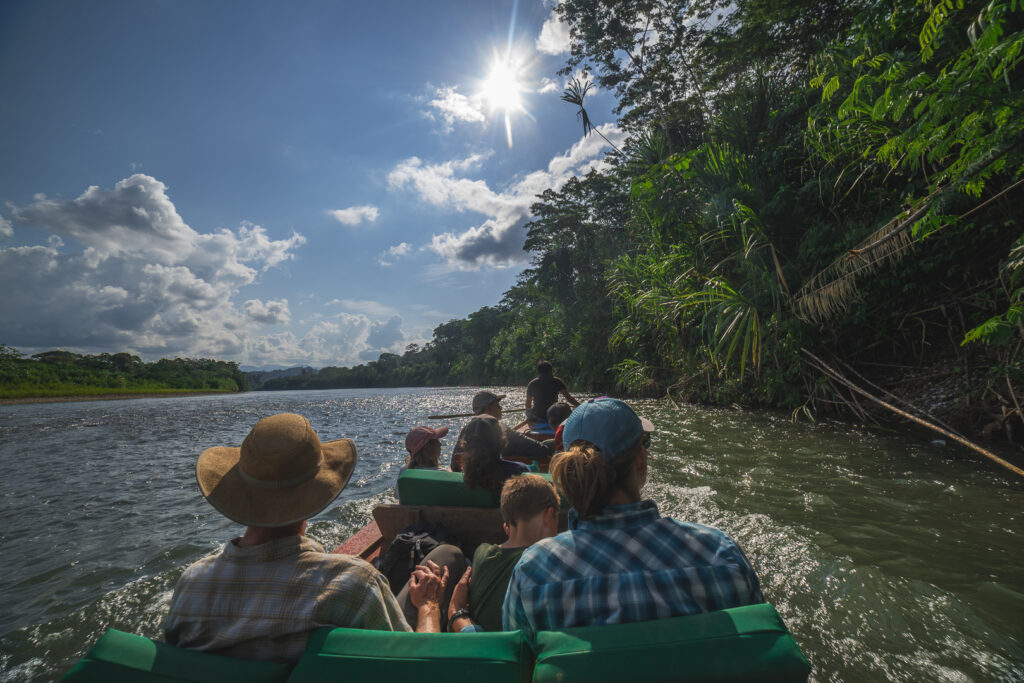
5 Things to Know Before You Travel to Manu National Park
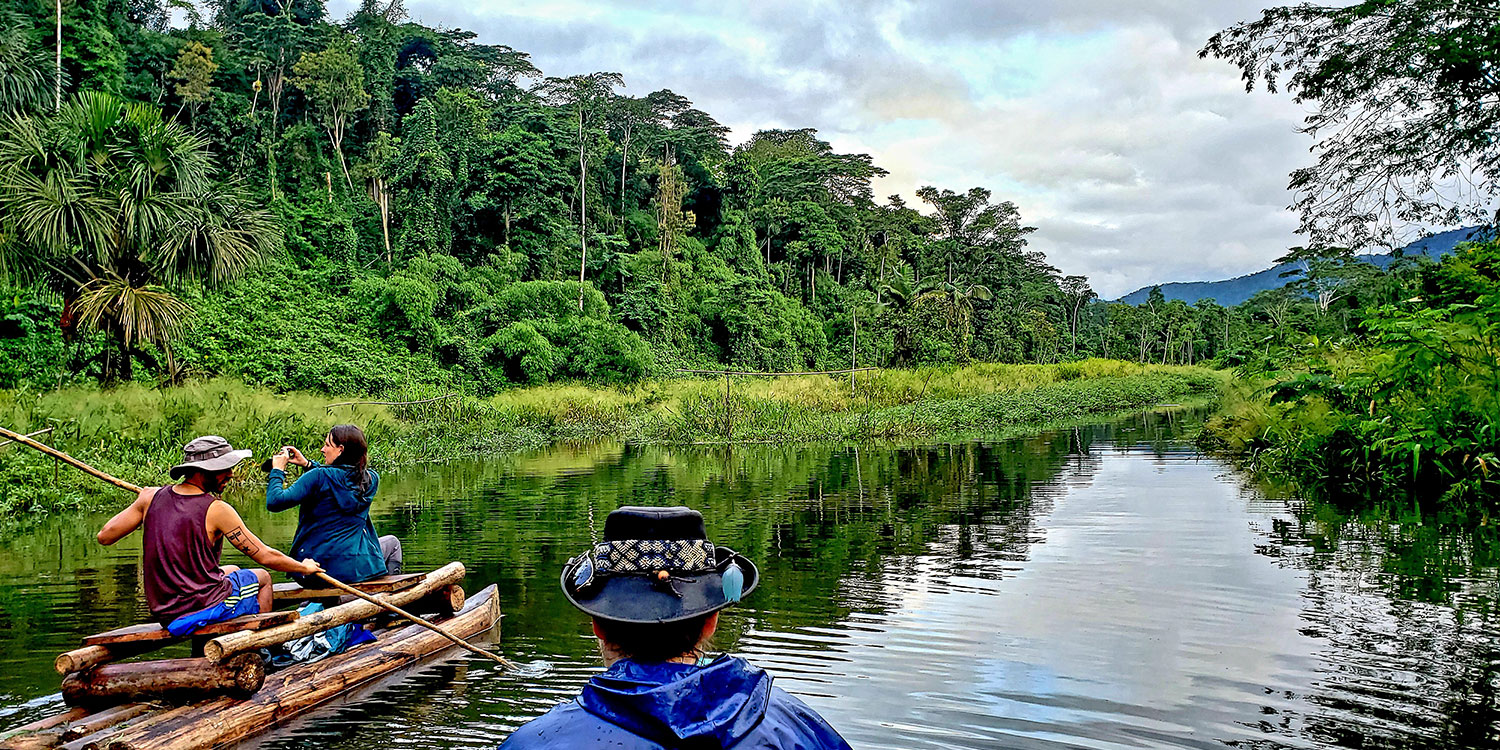
Manu National Park is one of the wildest places you can visit in Peru, but it is also remote, and a little preparation makes a big difference. Here are the five things we tell every traveler before a trip to Manu.
1. Getting there takes a full day from Cusco
Every trip to Manu starts in Cusco. Most international travelers fly into Lima and take a short domestic flight to Cusco. Cusco sits at about 3,400 m (11,150 ft), so plan at least a day or two there to get used to the altitude before you set off, and use that time for Machu Picchu or the Sacred Valley.
From Cusco, Manu is reached by road. According to SERNANP, Peru’s protected areas service, the drive through Paucartambo to the park entrance at Acjanaco and the Tres Cruces viewpoint is 143 km (89 miles), about 4 hours. From there the road drops through the cloud forest to the river port of Atalaya, where you continue by boat. On our tours you leave Cusco at about 6:00 a.m. and reach your rainforest lodge in the afternoon of the first day. The Manu Reserved Zone is further away: our tours reach it between days 2 and 4, by boat via Boca Manu.
2. You need an authorized operator
The Manu River sector (the Reserved Zone) and the Pusharo sector can only be visited with a tour operator authorized by the park, and all visitors pay the SERNANP entrance fee. Only the high Andean sector at Tres Cruces can be visited on your own. On our tours the permits and the entrance fee are already included; you can check the official entrance fees in our Manu National Park guide.
3. Health: yellow fever and mosquitoes
- Yellow fever: SERNANP lists the vaccine as a requirement for visiting the park, and the US CDC recommends it for travelers going below 2,300 m in the Cusco and Madre de Dios regions. Get it at least 10 days before your trip.
- Malaria: there is no vaccine. Ask a travel clinic whether antimalarial medication is recommended for your itinerary, and protect yourself from bites.
- Mosquitoes: use repellent with 30–50% DEET and wear long sleeves and long pants, especially at dawn, at dusk and on night walks.
4. What to pack
- Long-sleeved shirts and long pants, plus a warm layer: the first morning crosses the Andes and mornings on the river can be misty and cool.
- A rain jacket and a hat or cap.
- Comfortable hiking shoes or sneakers for the lodge and the boat. On our tours we provide rubber boots for the trails.
- A headlamp or flashlight for night walks, with spare batteries.
- A power bank. Electricity at rainforest lodges can be limited to certain hours.
- Binoculars and, if you like photography, a telephoto lens: many animals are seen at a distance.
- A dry bag or plastic bags to protect your camera and phone on the boat.
5. Choose your season
SERNANP recommends visiting Manu from April to November, the drier months. From December to March it rains more often, rivers rise and the road can be slower, but the forest is still full of life. Tell us your dates and we will tell you what to expect.
Ready to plan? Compare our Manu tours from 3 to 8 days, read which zone of Manu to visit, or see how Manu compares with Tambopata.
Frequently asked questions
How long does it take to get from Cusco to Manu?
The park entrance at Acjanaco is 143 km (89 miles) from Cusco, about 4 hours by road. On our tours you leave Cusco at about 6:00 a.m. and reach your rainforest lodge in the afternoon of the same day.
Is there a malaria vaccine for Manu?
No. There is no malaria vaccine for travelers. Ask a travel clinic whether antimalarial medication is recommended for your itinerary, and use repellent and long clothing. The vaccine you do need is yellow fever, which SERNANP lists as a requirement for the park.
Can I visit Manu without a tour?
Only the high Andean sector at Tres Cruces. The Manu River (Reserved Zone) and Pusharo sectors require a tour operator authorized by the park.